Addressing The Trauma
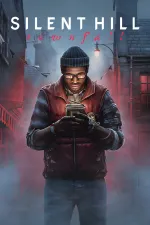
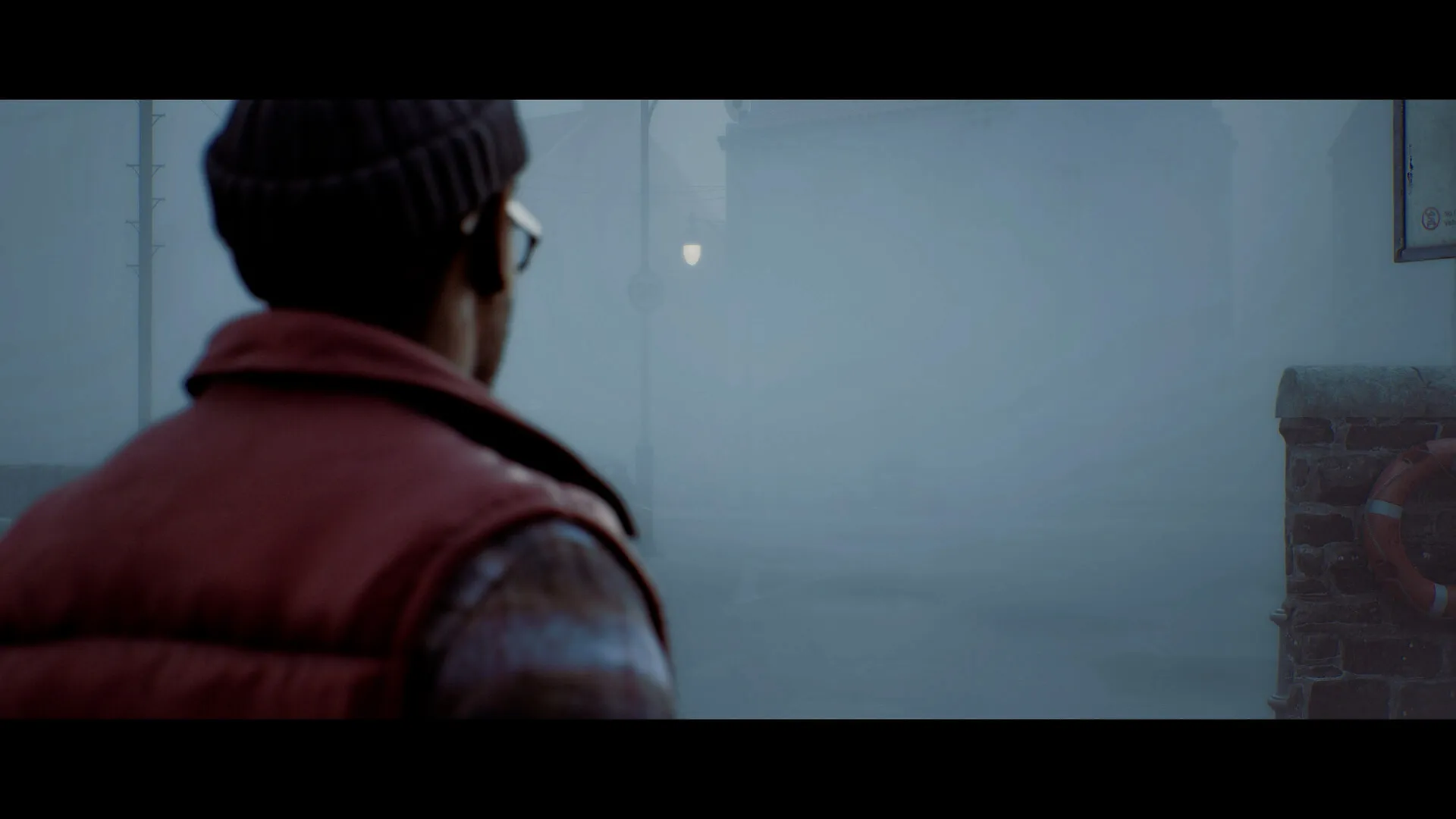
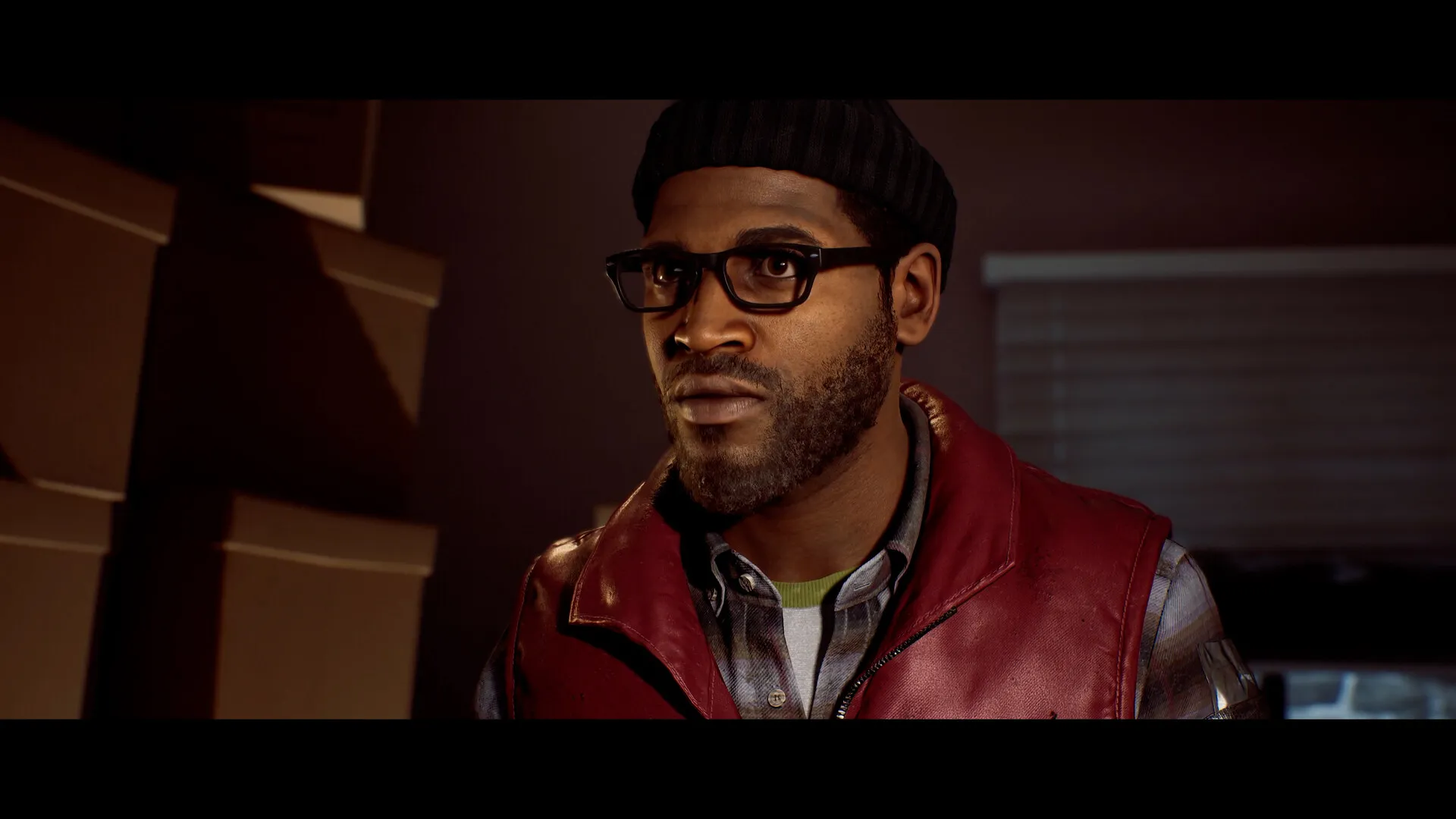
Much like the franchise itself, for years Silent Hill existed as an opaque figure embedded in fog, with only crackling radio static confirming its existence. Konami wasn’t sure what to do with it beyond Pyramid Head cameos in kart racers and Bomberman party games. But, like a repressed memory that suddenly manifests as a monster compelling you to address your unresolved trauma, Silent Hill is back, and Townfall, the third Silent Hill game in as many years, continues the impressive return-to-form streak. Simon Ordell’s journey through the Scottish town of St. Amelia in 1996 is not without its shortcomings, but the experience is an affecting one buoyed by the first-person perspective.
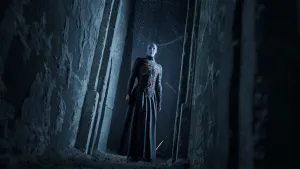
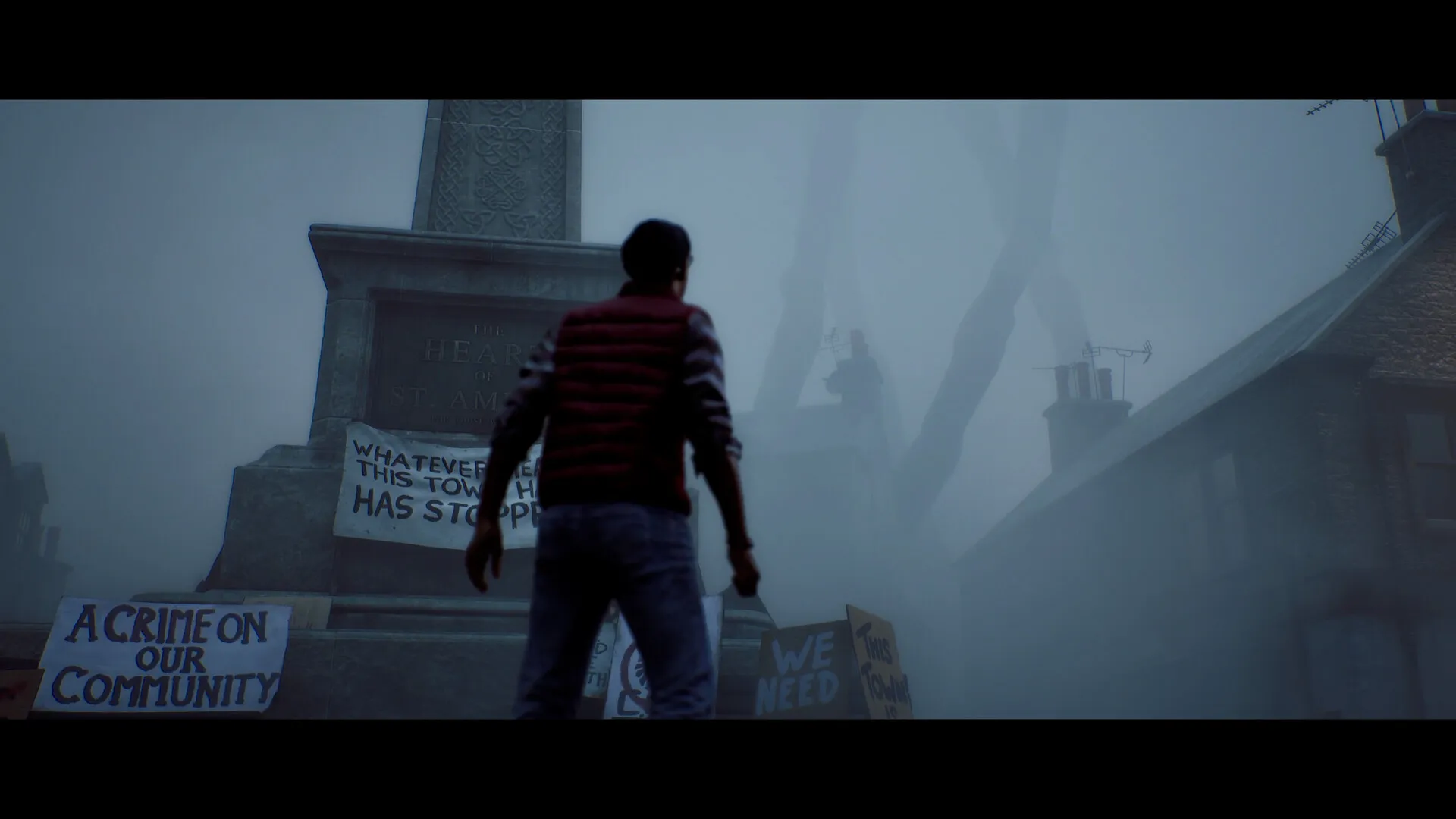
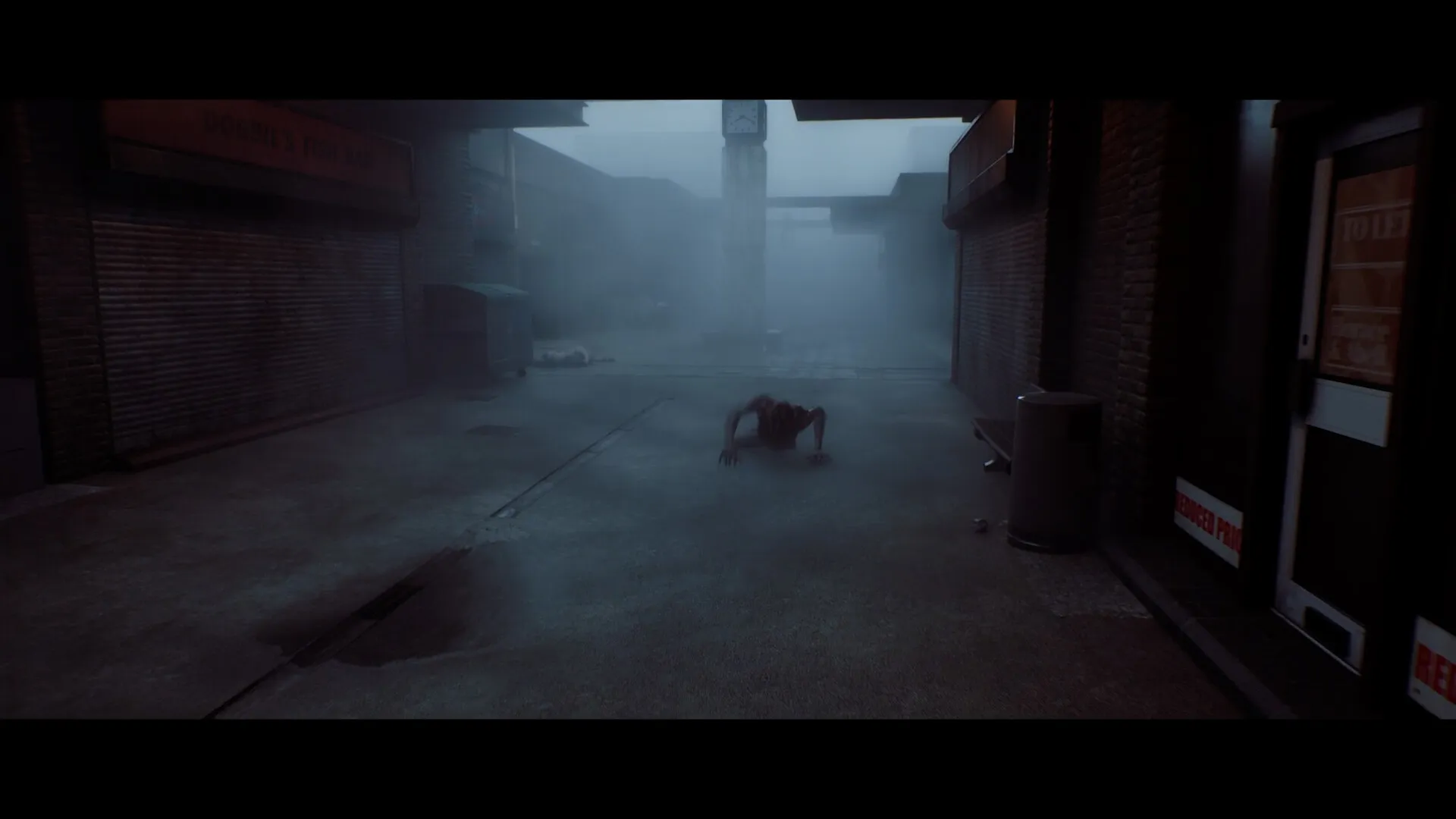
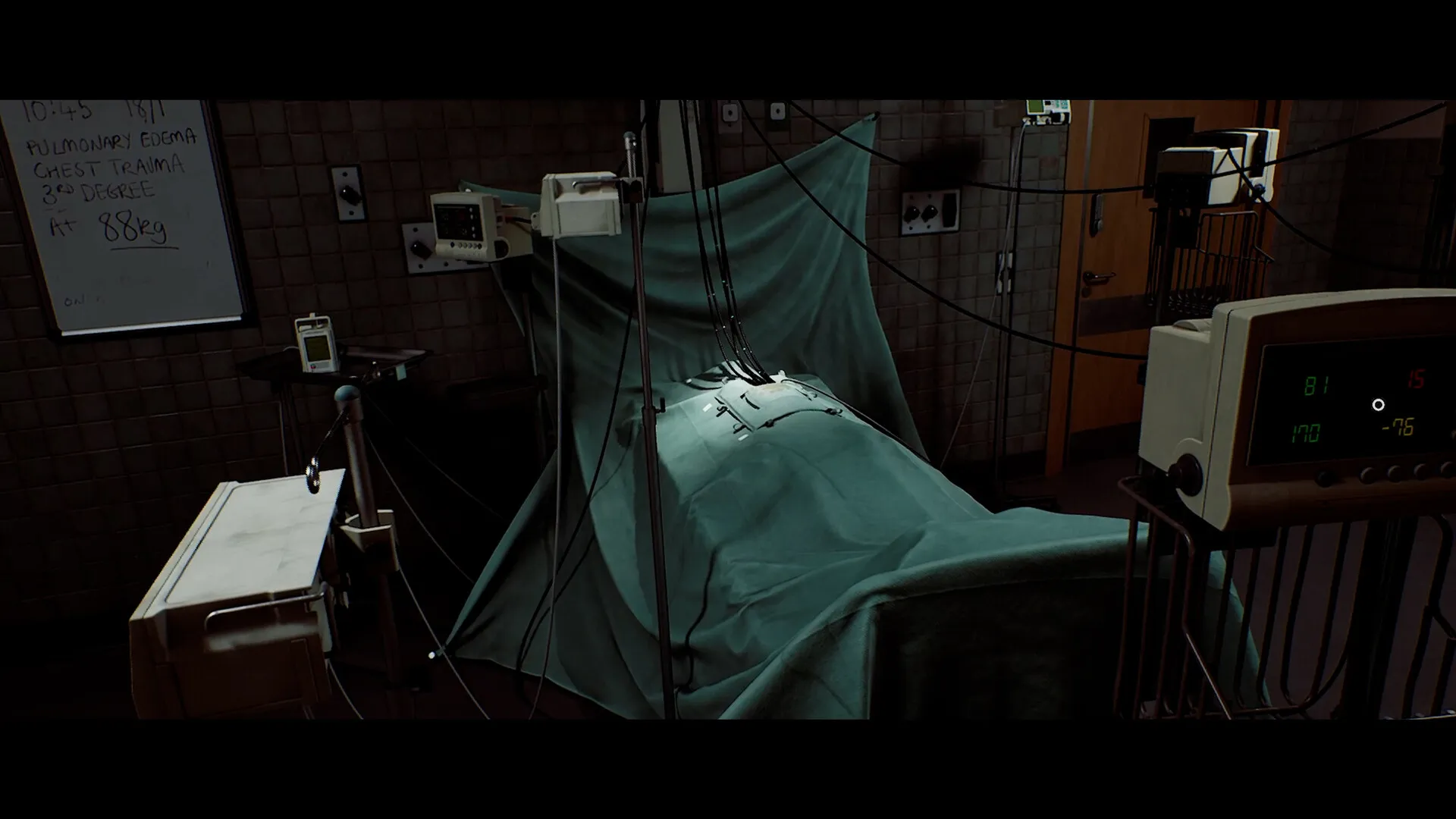
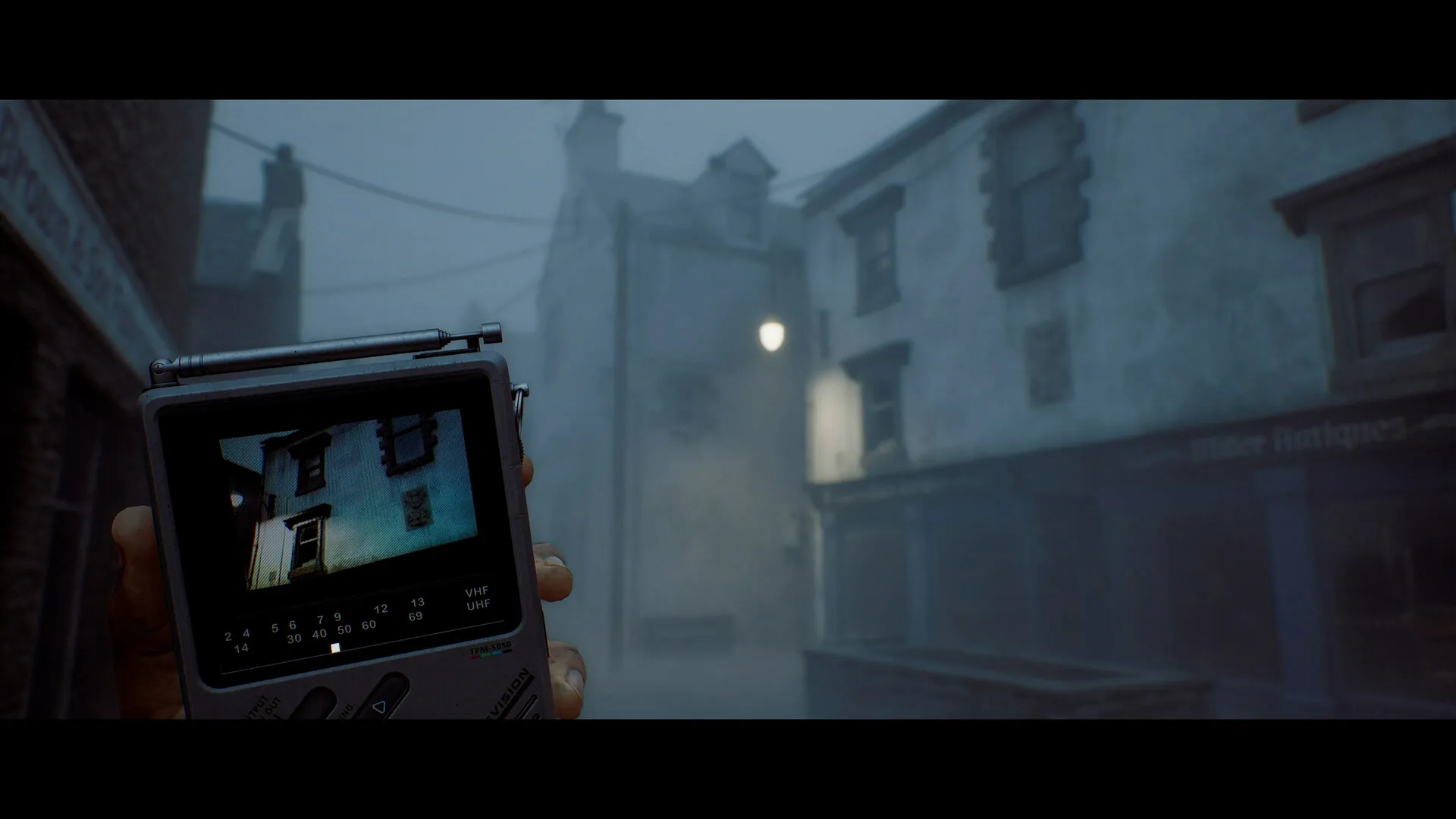
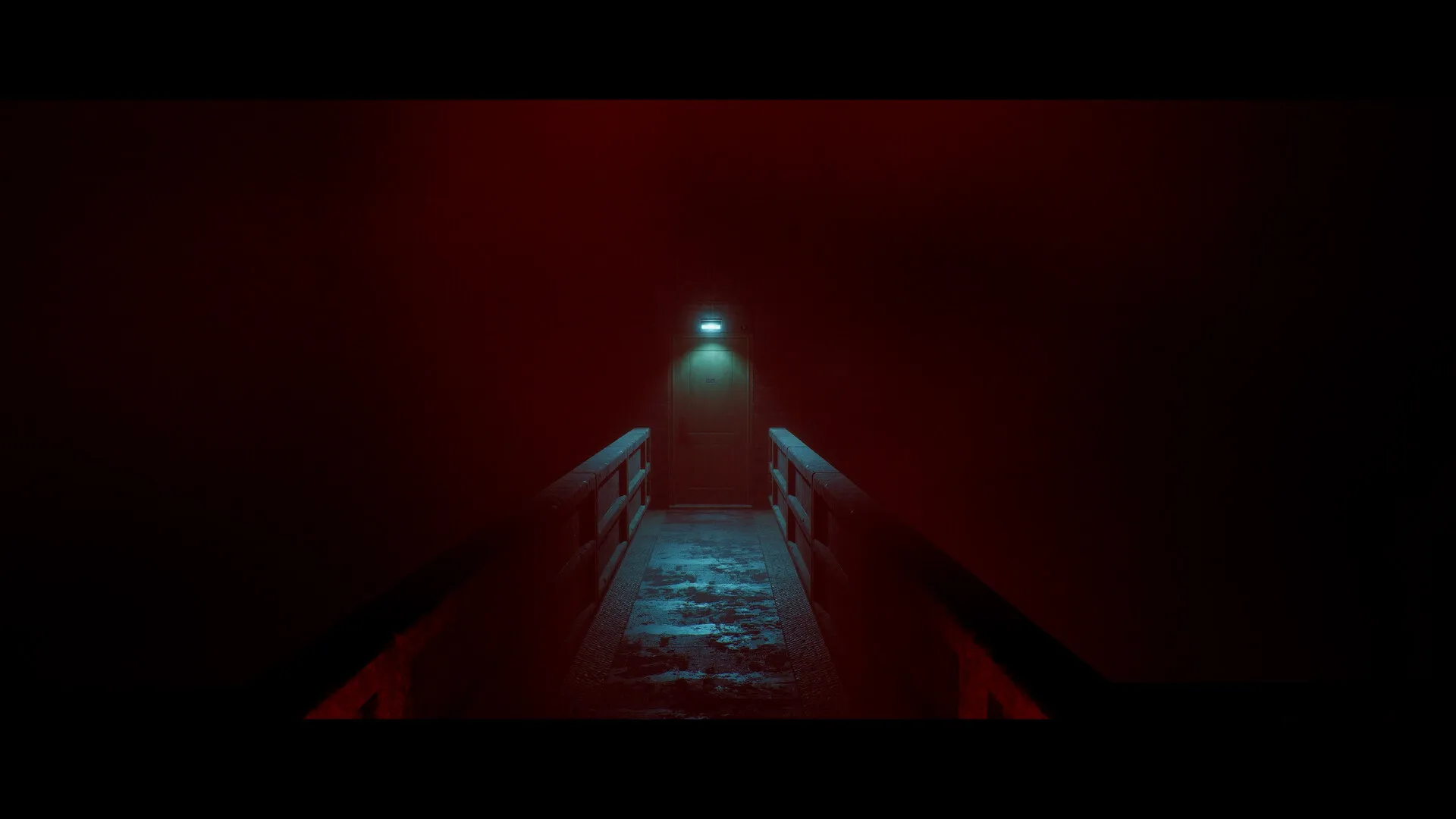
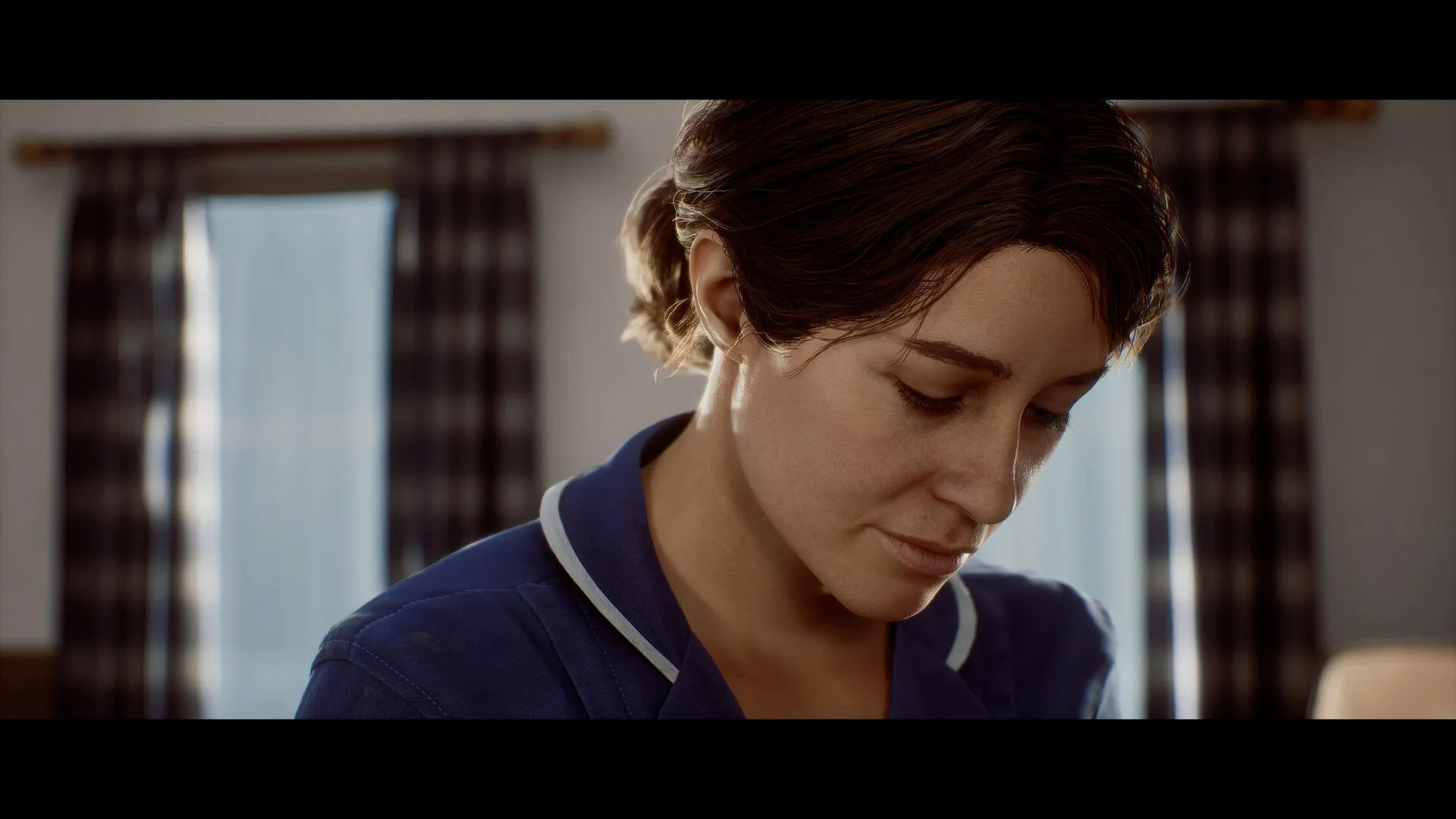
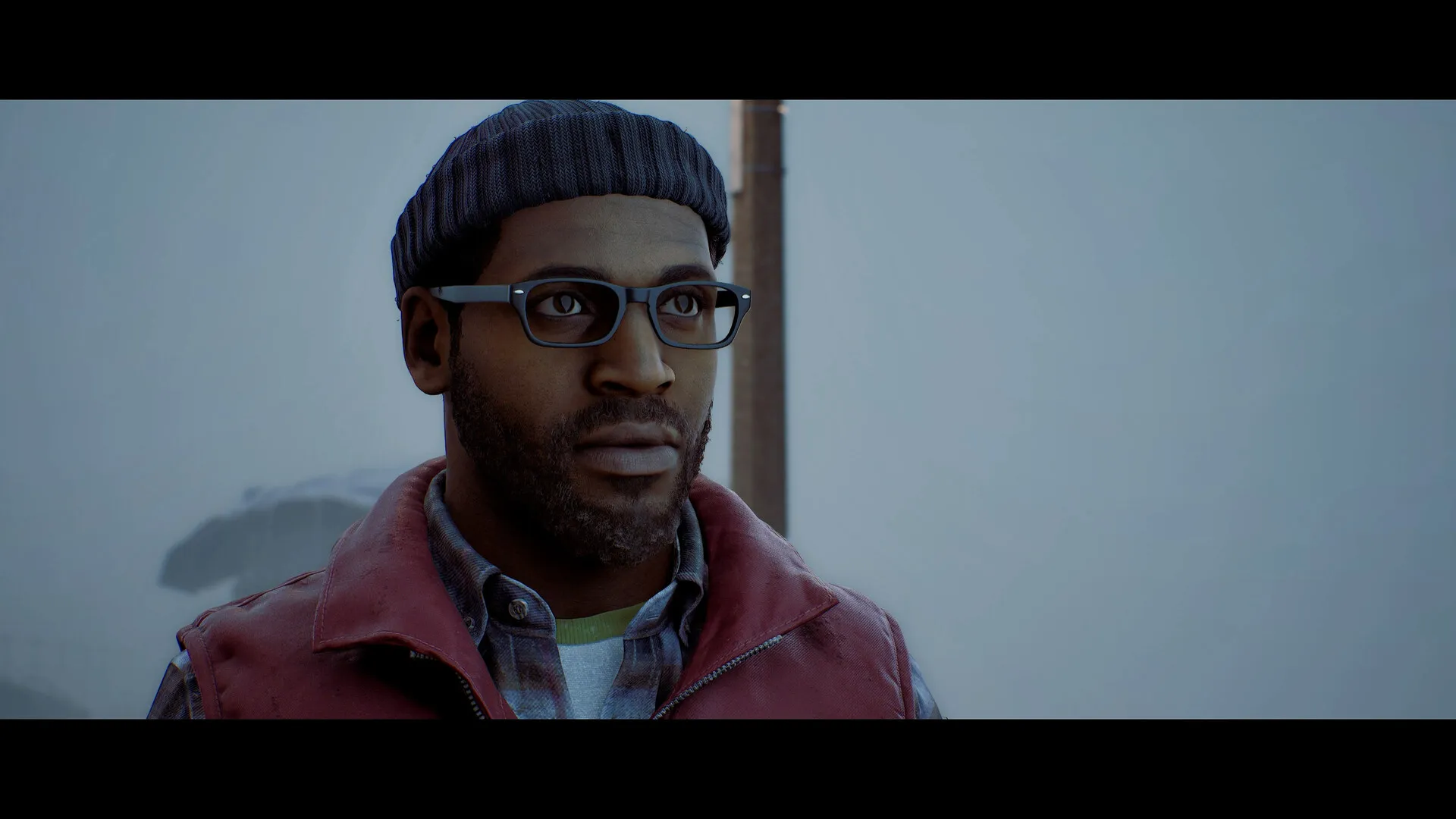
Silent Hill has dabbled in first-person before with Silent Hill 4: The Room, 2024's experimental The Short Message, and the whole P.T. debacle. We also, of course, all definitely played and remember the on-rails shooter, Silent Hill: The Arcade. Townfall, however, is the first time the franchise has fully embraced the perspective. The view makes the game unique within the Silent Hill oeuvre. Through Simon’s eyes, St. Amelia is overbearing and imposing in all the intended ways. That the game looks great also helps. The claustrophobic interiors are full of details that reward inspection, and you can practically taste the fog while exploring outdoors. The peeking mechanic is also expertly integrated and makes it feel like you truly are cowering and exposing as little of yourself as possible while staying quiet and keeping an eye on monsters.
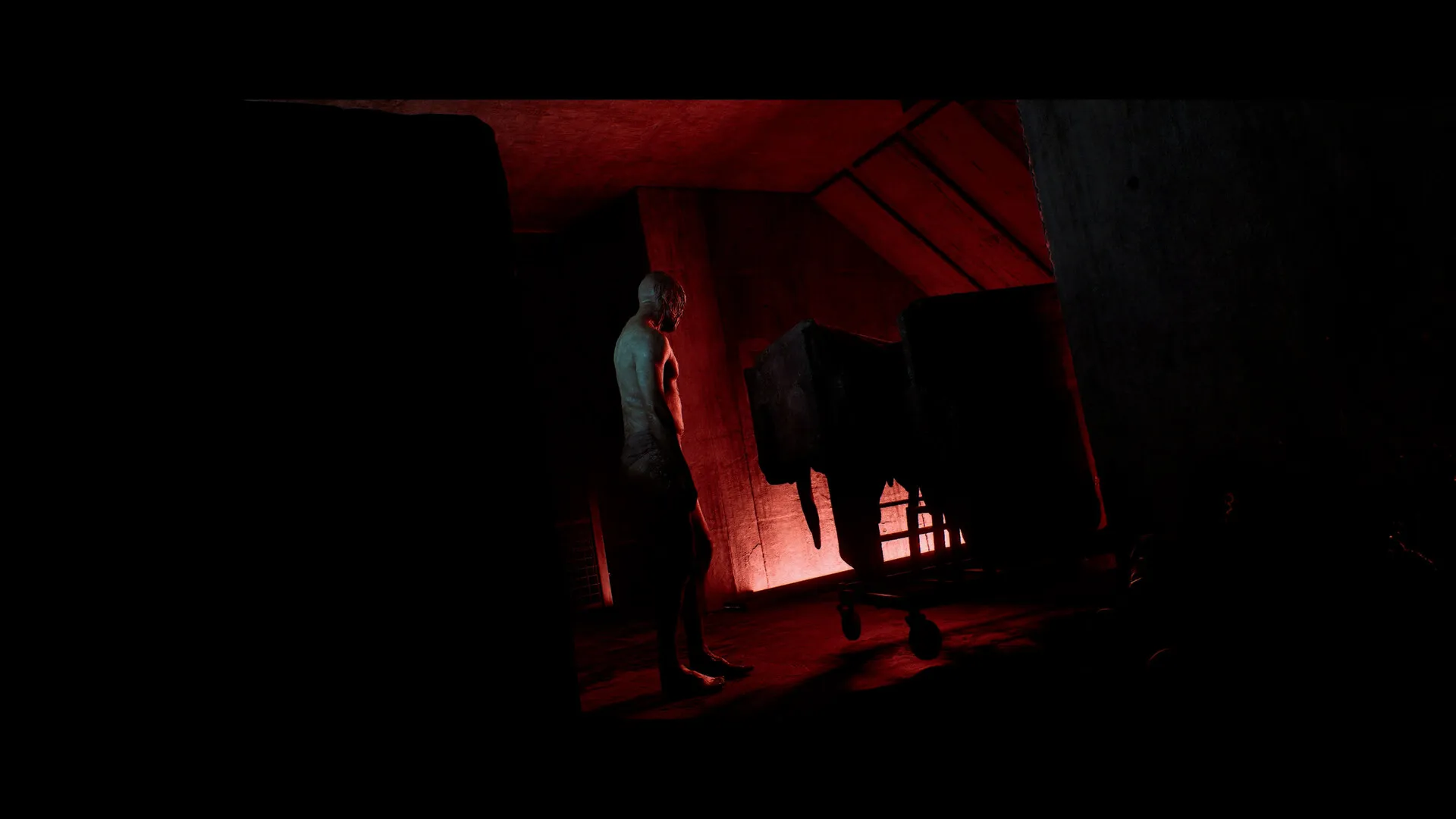
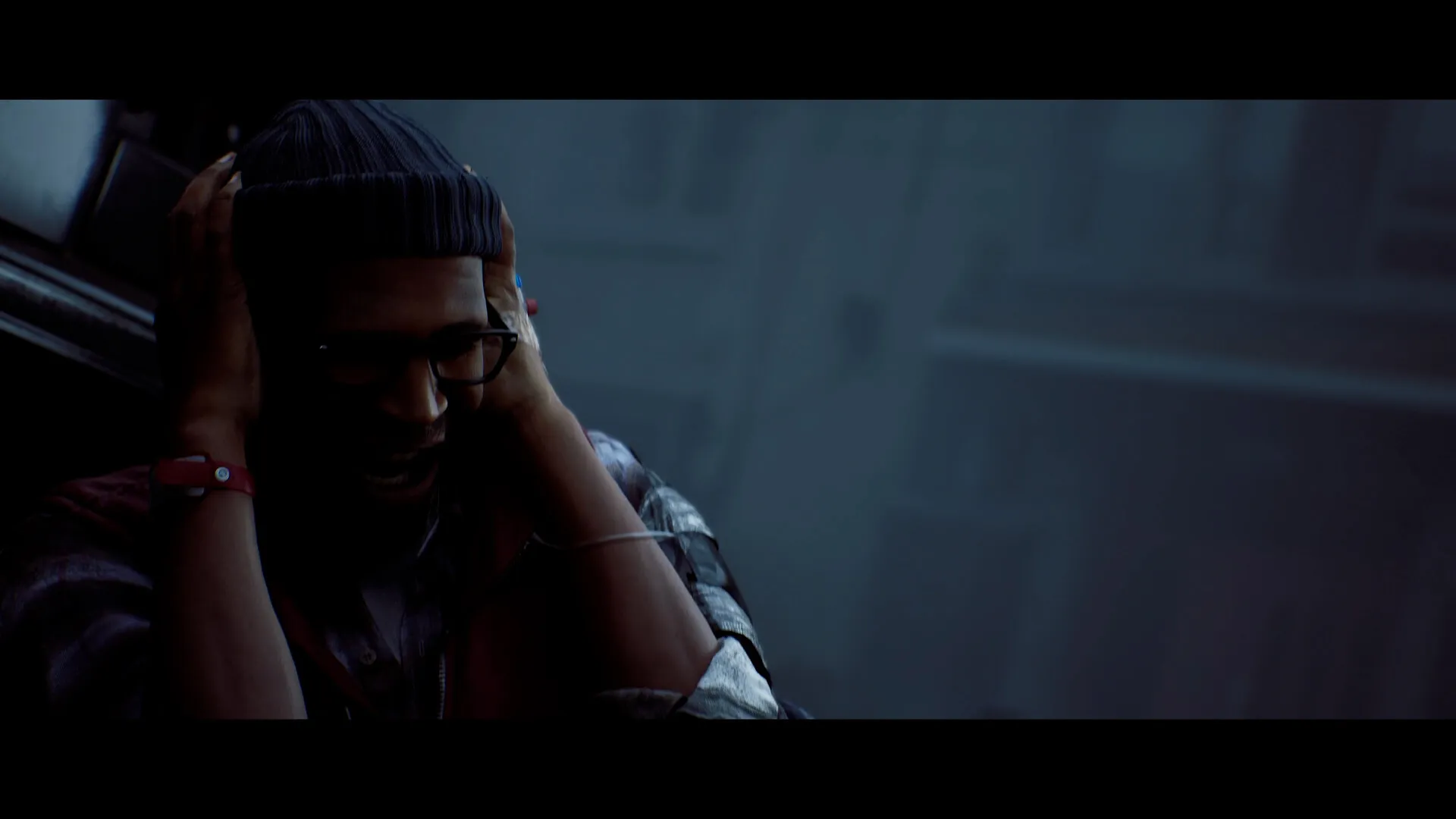
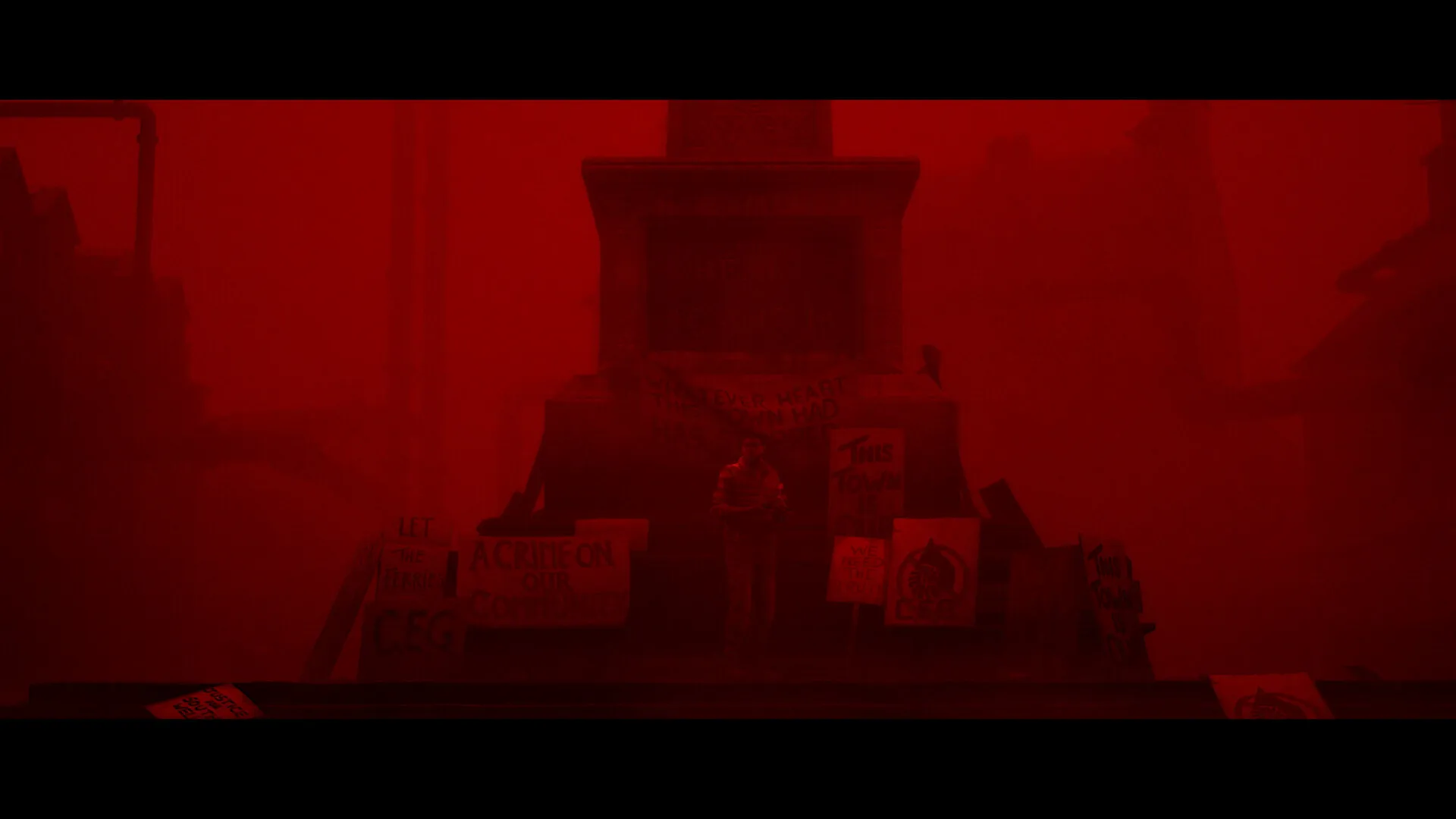
The broad story, at least structurally, will be familiar to Silent Hill players, which I offer as a compliment. Townfall may take place in St. Amelia, but there is no question that this is a Silent Hill game. Simon and others are confronting their inner demons in a foggy town, and what exactly is happening or why the streets are littered with monsters is never truly clear. You do know, however, that something is off and the only way out is through.
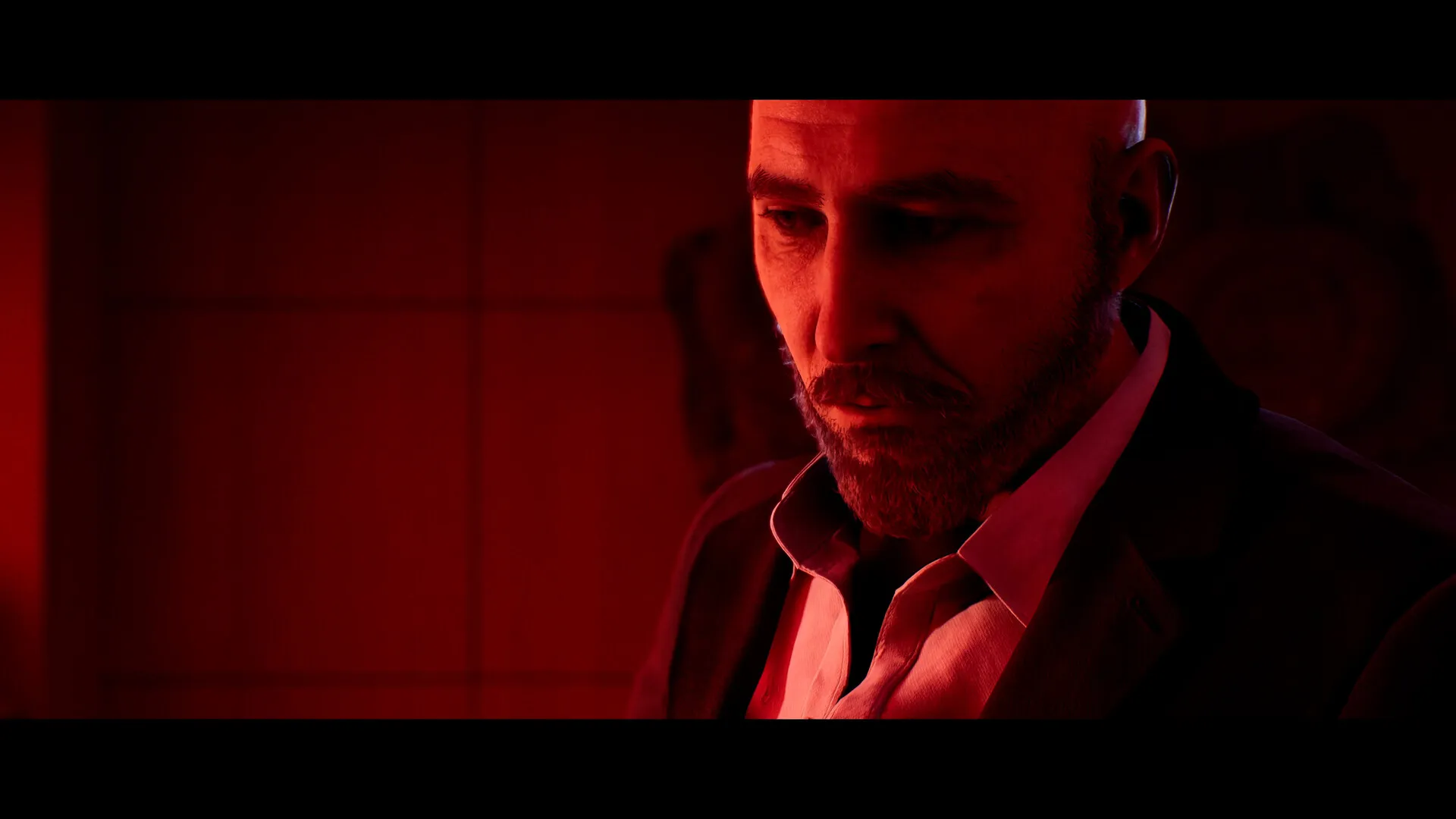
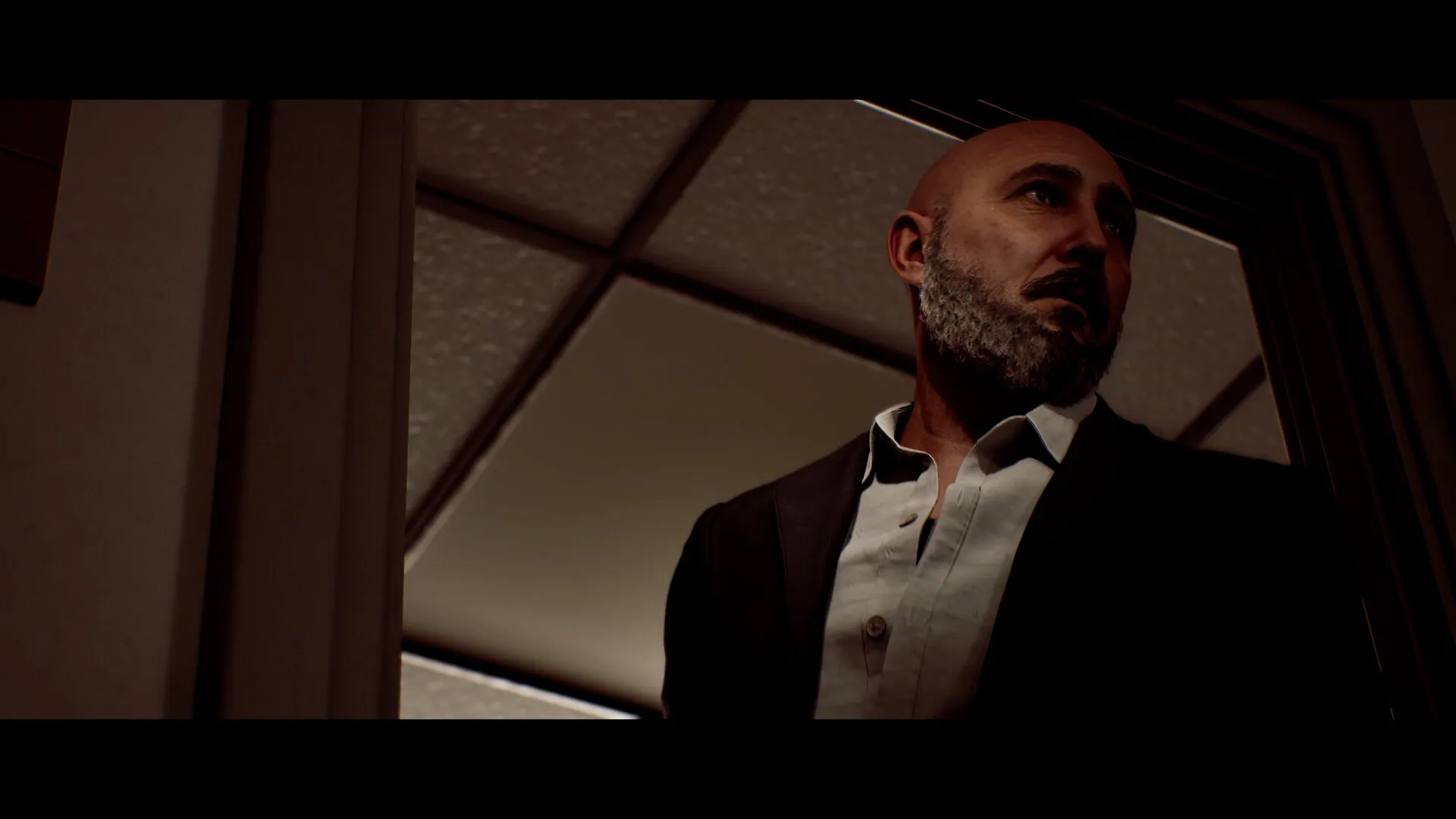
Uncharacteristically, compared to past Silent Hills, the individual plots that have led to the emotional distress of Townfall’s cast are more transparent. There are fewer questions about why characters feel what they’re feeling. It eliminates some of the dreamlike qualities that make these games ethereal and mysterious, but I am not opposed to more clarity, as sometimes information is withheld unnecessarily. I like the narrative balance Townfall strikes.
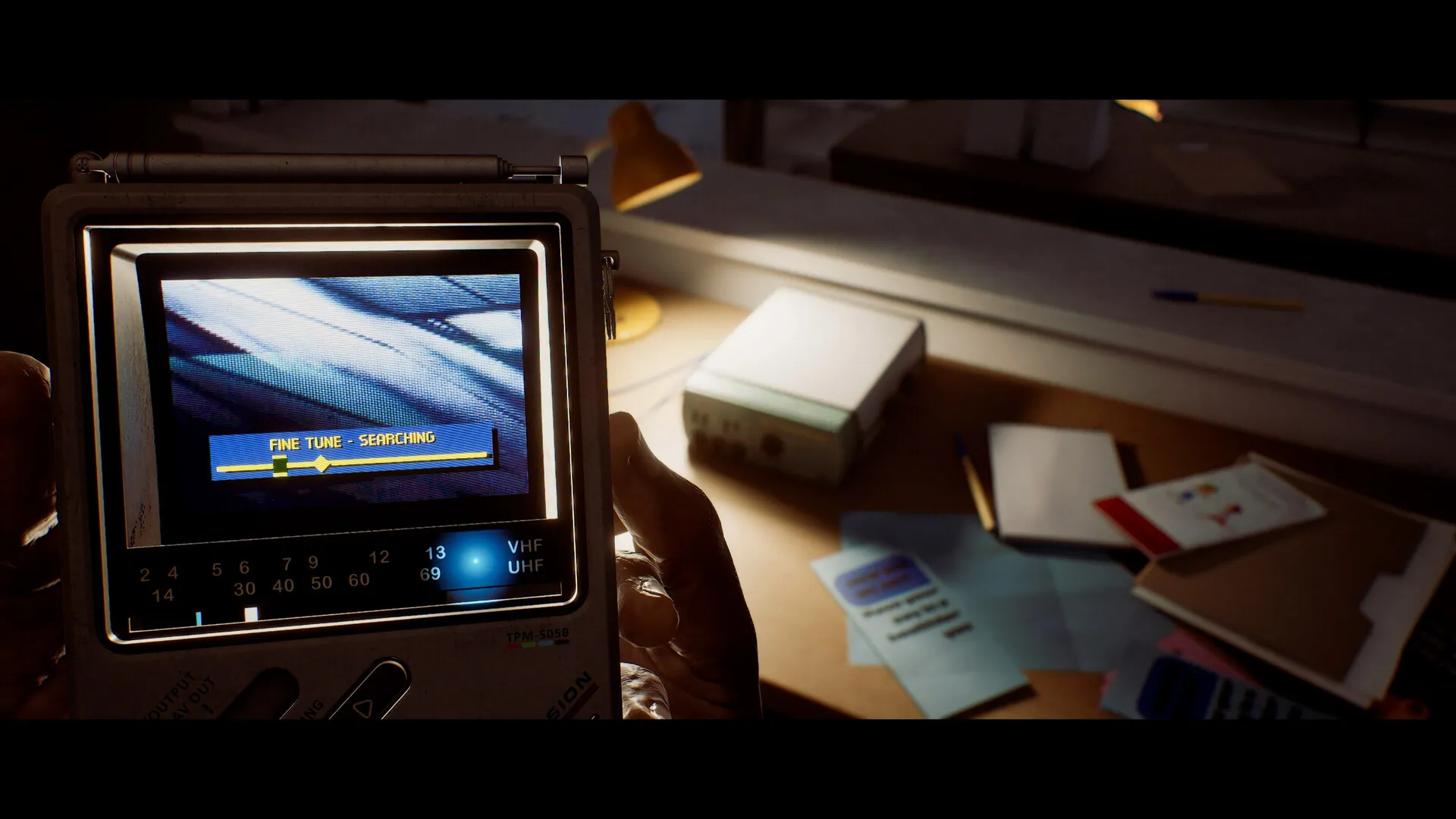
Simon has an era-appropriate portable television that lets him track monsters through the screen’s static, and it does a good job of letting you monitor creatures’ whereabouts while maintaining intensity. Combat is heavily discouraged, with perhaps the fewest number of bullets in any Silent Hill game (that feature guns, anyway) and melee weapons that expire quickly. As a result, Townfall is a stealth game, but I struggled with understanding what alerted enemies to my presence. Sometimes crouching and moving slowly behind cover was enough. Sometimes enemies saw me anyway. The inconsistency made me reload saves often, which diminished the mood of the encounters. I got particularly frustrated with one invincible, instantly-kill-you-if-caught monster who never seemed to walk away no matter how long I tracked him on my TV while hiding in a closet. In these moments, I was bored and annoyed instead of scared.
What I have enjoyed so much about Konami’s renewed efforts with Silent Hill is how it is finding developers like Screen Burn Interactive that understand what makes Silent Hill so intriguing and are managing to produce unique experiences within an admittedly undefined structure. The franchise is about loneliness and trauma and how that affects your emotional state of mind. Townfall presents these emotions well, and my only frustrations arose when I was forced to grapple with some of its unbalanced video game mechanics.
Products In This Article