Review

Monster Hunter Stories 3: Twisted Reflection
Review
Beauty And The Toothless Beast
Monster Hunter Stories 3: Twisted Reflection didn't "wow" me. Its story is adequately entertaining, its combat is sometimes tedious, and I wouldn't consider it a "must-play" role-playing game. Still, my time playing was pleasant more often than not, and I was glad to revisit the Monster Hunter universe just over a year after completing Monster Hunter Wilds. Twisted Reflection's greatest achievement is gifting the series with a gorgeous facelift and bringing it to modern consoles. Even though its monsters' fire breath didn't quite blow me away, the flames were a treat to watch.
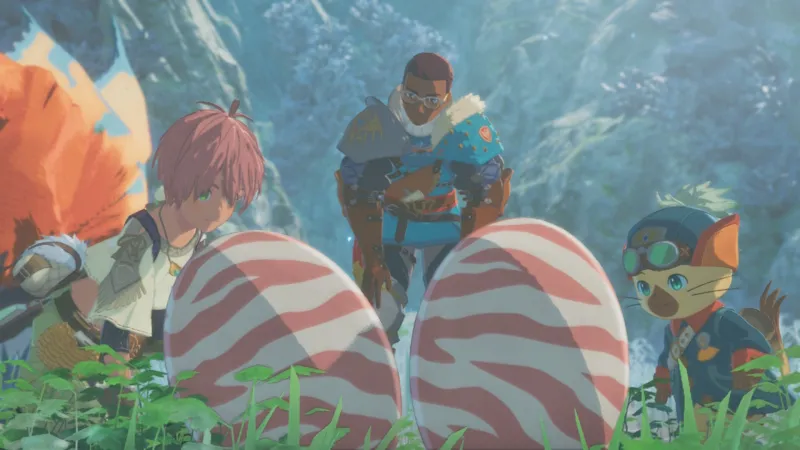
In Twisted Reflection, you portray the prince or princess of Azuria, a kingdom home to Riders, known for their ability to tame and ride Monsties. As a Ranger, you're one step above the average Rider, both mounting Monsties in battle and recovering monster eggs in the wild to rebuild ecosystems. When a magical environmental threat called the Encroachment pushes a neighboring kingdom to the brink of war, you and your crew of Rangers set out on a continent-spanning journey to stop the threat and avert the conflict.
The relatively straightforward story is nothing special, but it sporadically held my interest with the occasional plot twist or flashy setpiece (especially the ending). Its weakest element is Rudy, your cat-like Palico companion, who consistently frustrated me with his overbearing, protective nature. Almost every other character is calm and level-headed, even in disagreements with the protagonists, so Rudy's outbursts stick out like a sore thumb and make him hard to root for.
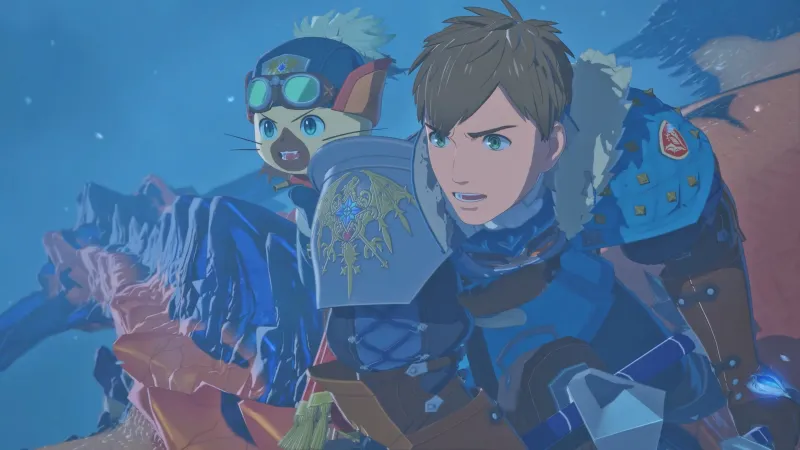
That said, Rudy's attitude can't ruin Monster Hunter Stories 3's beautiful cutscenes. Capcom overhauled the game's visual style for the third entry, and it was a fantastic choice. The world's colors are still bright and vibrant, but with a bit more of a realistic edge. However, I reviewed the game on Switch 2 and regularly encountered textures popping in after fast travel or during in-world cutscenes. While noticeable, I never found it too distracting, especially since the pop-in was never present in combat. Battle animations are fluid, and I have a particular soft spot for the Kinship Skills, flashy ultimate moves with a surprising amount of visual variation.
The Monster Hunter Stories series has always done a successful job at translating the core games' action into a turn-based format, and Twisted Reflection is no exception. Weapons are adapted faithfully; it's easy to recall one's strategy with a weapon in the main series and convert those same actions into a turn-by-turn sequence of moves.
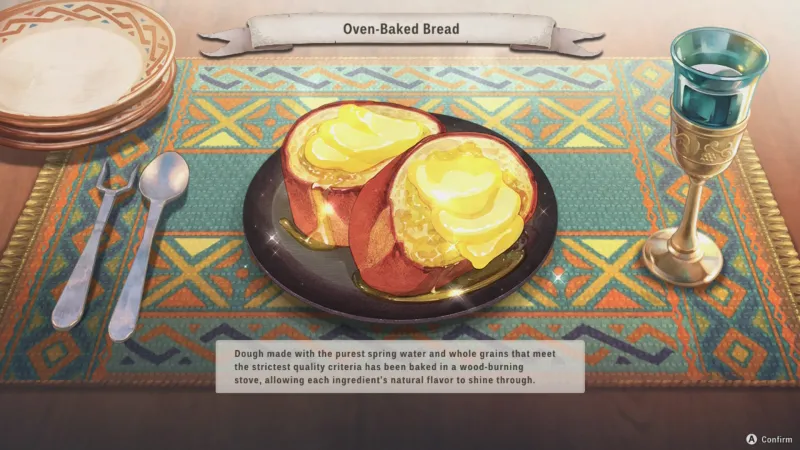
The Stories series also uses a rock-paper-scissors formula for move styles; when you and a foe attack each other at the same time, your move type determines whether you deal or receive extra damage. Power beats technical, technical beats speed, and speed beats power. Monsters typically pick one style of move to use the whole time and switch to another once they take damage. It adds a level of complexity to battle I grew to enjoy, especially once I could quickly suss out which monster would use which type of move. When you also account for the elemental type associated with each weapon or Monstie attack, combat offers a great deal of engaging layers.
My fights did grow mildly tedious and frustrating over time, however. Late-game encounters are especially long, and individual attacks sometimes feel like they're barely making a dent in a foe's health bar. Some enemies in the final chapters also deal ridiculous amounts of damage, and there were at least two times I was faced with massive level jumps in my closing hours. Both instances forced me to spend a few hours grinding sidequests to match their power levels, which really interferes with the story's momentum.
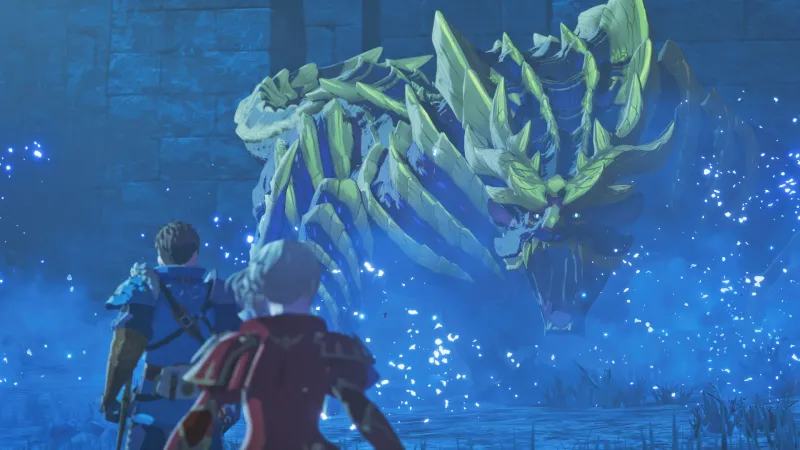
Side content is generally simple and forgettable, but I was fond of the companion side stories. As the prince/princess, you're joined on your quest by five allies, and each has four chapters of character-specific side quests that unlock as you progress. Some characters don't get much time to shine in the main story, so I'm glad to focus on them in lower-stakes missions that feel like pleasant filler episodes of a TV show. The rewards are worthwhile too, unlocking some key mechanics, like crucial crafting recipes, as well as significant upgrades for each ally and their Monsties in battle.
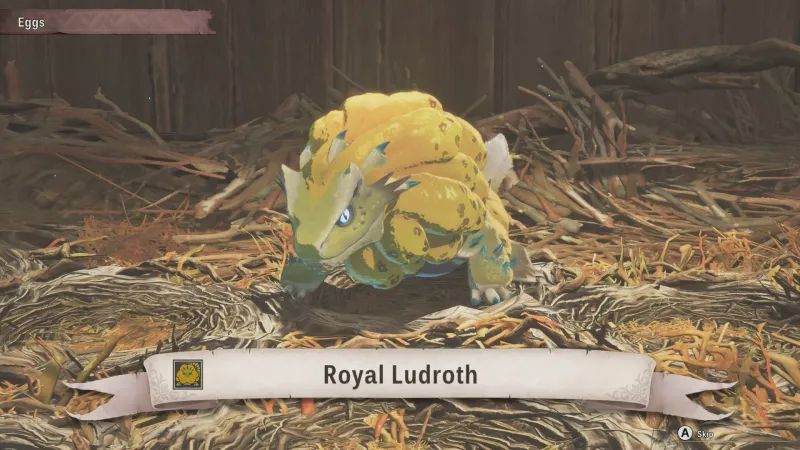
You'll likely spend the rest of your time raiding Monster Dens to recover eggs, which hatch into Monsties that you can add to your party. You can also release these Monsties into the wild, expanding their population and improving the quality of the eggs you can find. It's a relaxed and satisfying grind, well-suited to do while listening to a podcast. It also helps that hatching eggs reveal cute baby versions of some of the series' most iconic monsters, which I never tired of discovering.
It's a common theme for the Monster Hunter series, but I appreciate that an environmentalist ideology permeates just about every element of Twisted Reflection. It gives the game and its characters a strong sense of purpose that makes the world more believable. Hatching eggs and releasing monsters back into the wild shows the characters actually care about the local habitat – a fact that is often hard to grasp in mainline games where so much focus is put on slaying.
Twisted Reflection also introduces an invasive monster system, where defeating environment-disrupting creatures can allow rare, endangered species to return to an area. It's exciting to discover new monsters, but the system isn't necessary to engage with outside of a few story moments, so it's easy to accidentally ignore the mechanic if you don't seek the monsters out.
My grievances with Monster Hunter Stories 3 are relatively minor. It's an RPG that plays it safe, and while that means it avoids massive missteps, it also fails to make much of an impression. Despite spending over 60 hours exploring its world, I don't expect to think much about Twisted Reflection now that I've rolled credits. Still, its good outweighs its bad, and I don't regret my time in office as the prince of Azuria. At the very least, it was a joy to look at.
On
On
Off
Off
Products In This Article
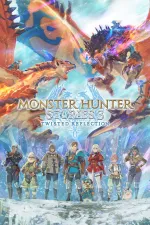
Monster Hunter Stories 3: Twisted Reflection
Platform:
PlayStation 5, Xbox Series X/S, Switch 2, PC
Release Date: