Preview

Judas
Just A Holy Fool
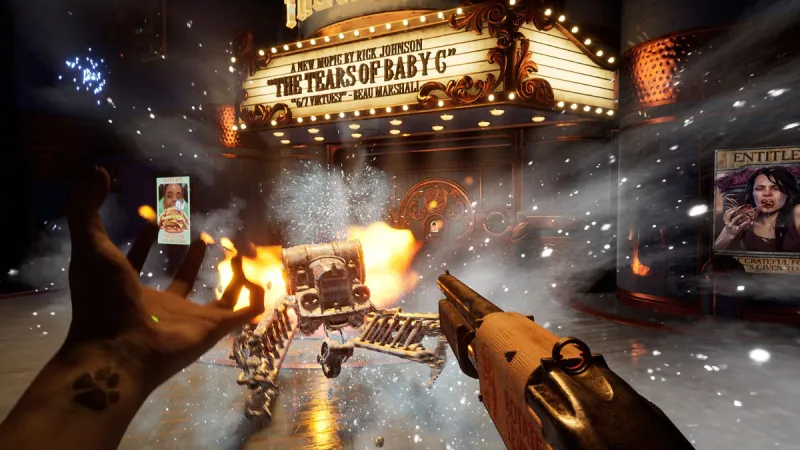
It’s rough out here for fans of BioShock and/or Ken Levine games. Infinite, which launched in 2013, was both the last BioShock game and the last Ken Levine game released. With every video game showcase, whether it’s something from PlayStation or Xbox, or one of Geoff Keighley’s various productions, I sit waiting, wondering, “Is this when I’ll see what’s next for either BioShock or Judas?” The former belief has left me feeling like a holy fool, as BioShock 4 seems no closer to release than it was this time last year; The latter, however, has provided me with morsels over the years. Now that we’re in 2026, I feel renewed knowing I am one year closer to finally playing Judas.
Judas will apparently be Levine’s most reactive game yet. Given how linear his stories have been thus far, I’m excited to see how I feel about Levine and Co.’s narrative style when I’m able to directly influence how it plays out with my gameplay choices. But I want to know more.
So, I asked the man himself.
“It’s our first game where you truly inhabit a character in a way you didn’t in… say BioShock,” Levine tells me over email. “When we began, we didn’t want to just make a first-person shooter. We wanted to make a Judas simulator where you not only get to decide how she proceeds through the story, but also who you should trust and how you should deal with the consequences of your choices. The most important thing is really placing the player inside the character and letting them feel a little bit of what it’s like to be on that ship as the sun is setting on the human race.
“In addition, what sets it apart from other games is the way we’re building it (and the reason we spent five years in just R&D). We wanted the characters to not only respond to major choices, but to also recognize and respond to your sequence of actions, down to the smallest details.”
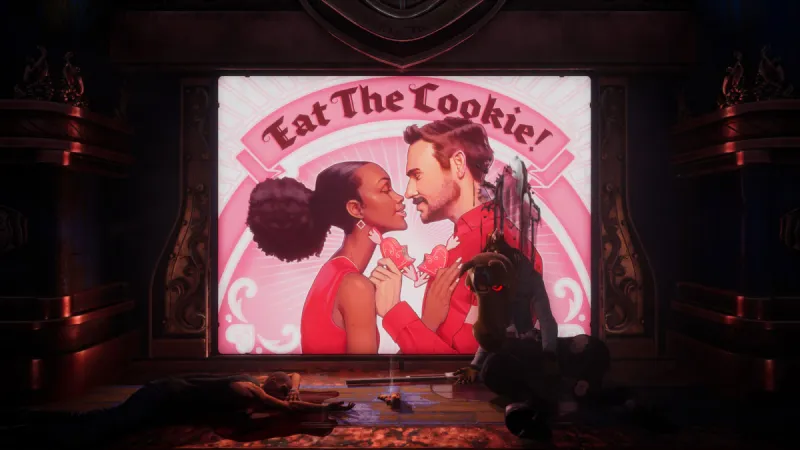
Levine says being able to realize the macro and micro levels of decision-making from players is very important to Ghost Story Games.
When I ask what the team is most excited for players to experience when Judas launches one day, Levine says, “Villainy,” a feature revealed late last year. He says Judas’ Villainy feature will allow players to feel the pressure and stakes of building relationships with other major characters in the game. Depending on how you act with those characters, they might hate you or like you or hate you and then like you again. “It ultimately comes down to a plate-spinning exercise that reflects relationships in real life.”
However, don’t expect to game this system for a perfect run. Levine promises the Villainy feature gets to a point in Judas where you can’t please everyone, and one of the characters will turn into your antagonist. “We’re really eager to see players experience that and see which of our characters become fan favorites,” he says.
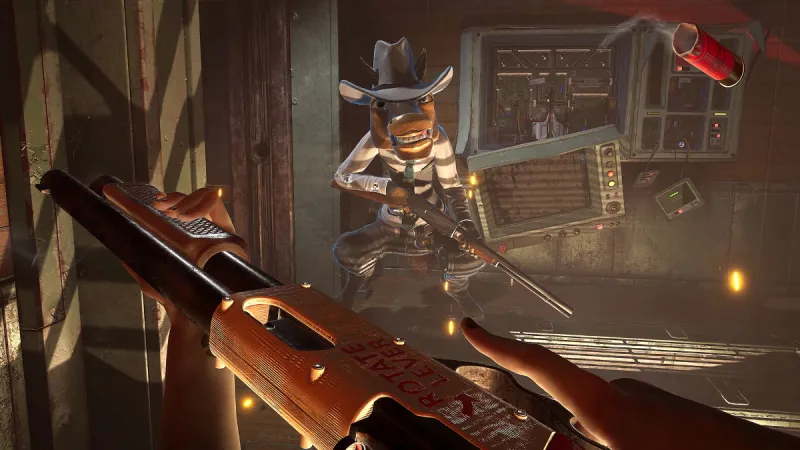
To close my discussion, I ask Levine what Ghost Story Games’ biggest priorities are in the coming months of development. He says the team is heads down on its next big milestone and that Judas is progressing really well. “We’ve gotten to a good place to start keeping our community more in the loop, so we started a series of development updates earlier this year,” he adds. “We’ve got two of them up so far, with more from us to share coming soon. Then, as we approach launch, you can expect trailers among other announcements.”
Here’s hoping it’s a game I see in the next showcase I watch (I’ll certainly be waiting and wondering if it will appear).
On
On
Off
Off