Sony Discusses NGP Memory Card Format, Showcases AR, Near

The bulk of Sony’s official NGP panel yesterday highlighted the hardware specs and functionality revealed in Japan last month. A few tidbits of fresh information were dropped, however, in addition to a handful of tech demos showcasing the variety of input devices boasted on the handheld platform.
Sony first detailed the flash memory game format to the room of developers, tentatively branding them NVG Cards. Coming in 2GB and 4GB sizes, the former will support smaller, casual titles, with the larger cards used for core or graphically strenuous games. NVG Cards will contain some percentage of writable memory for DLC and games saves, freeing up internal space on the handheld.
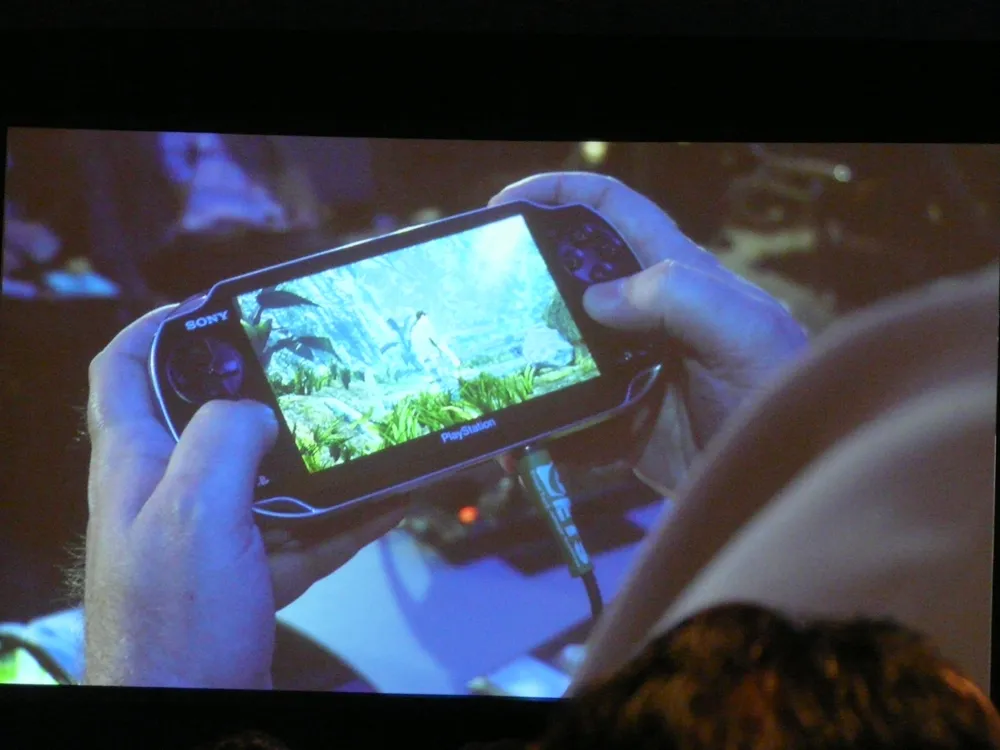
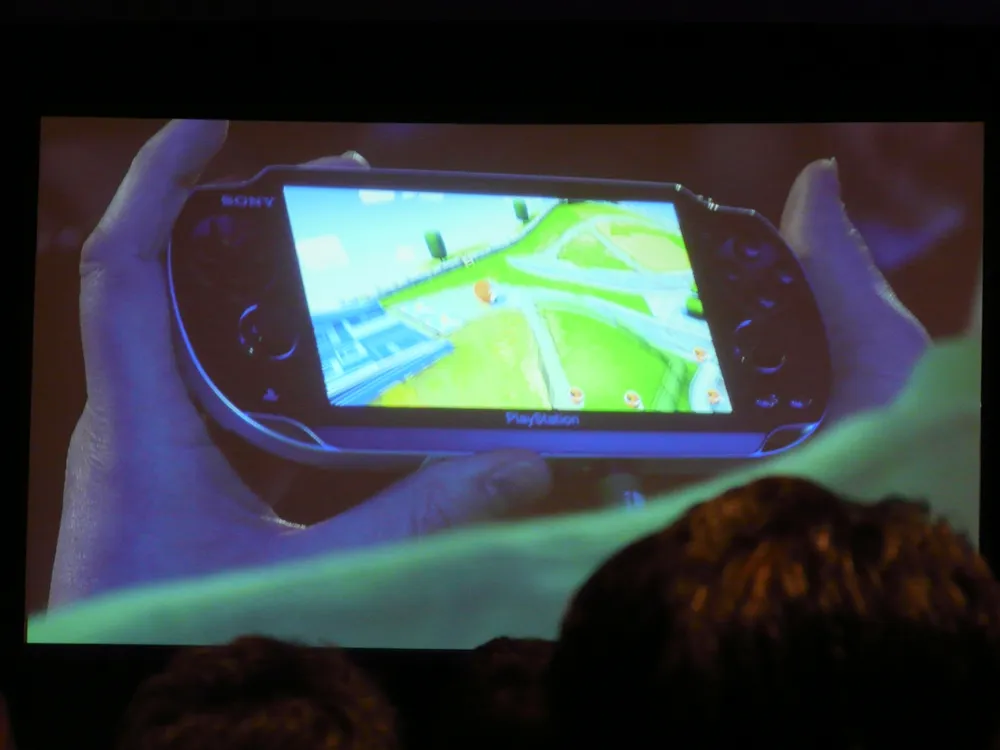
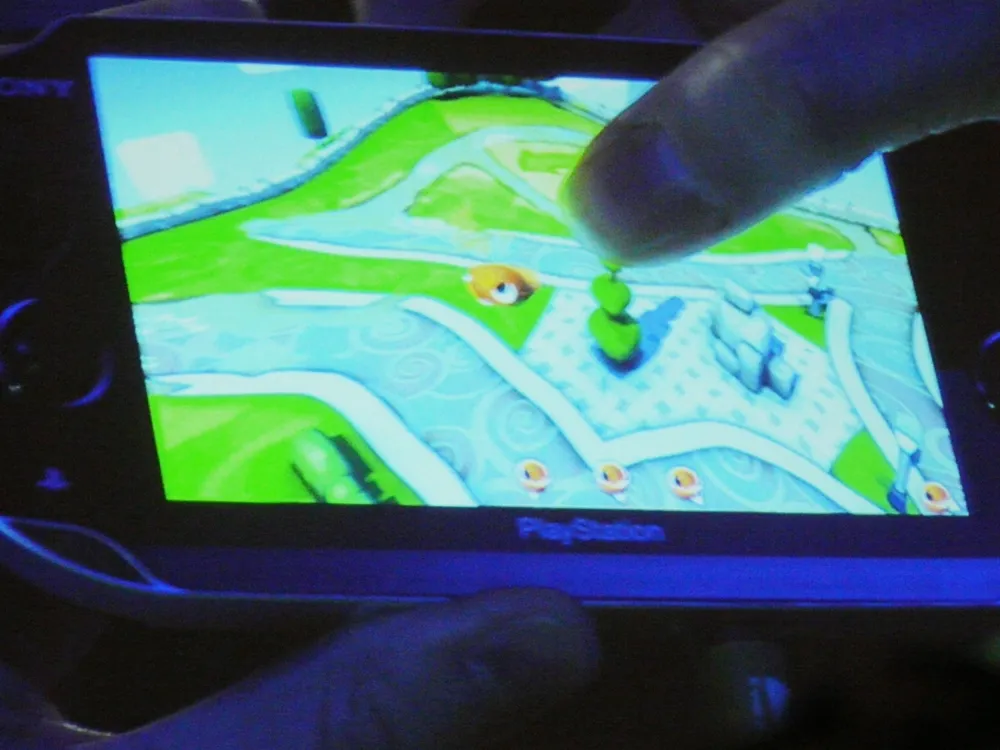
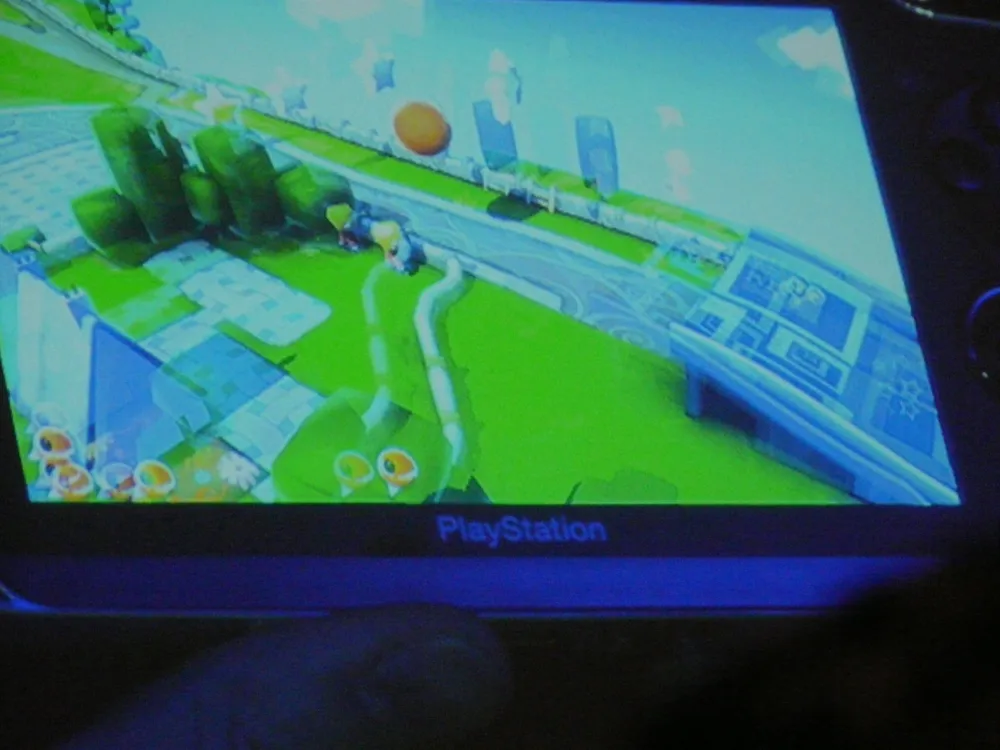
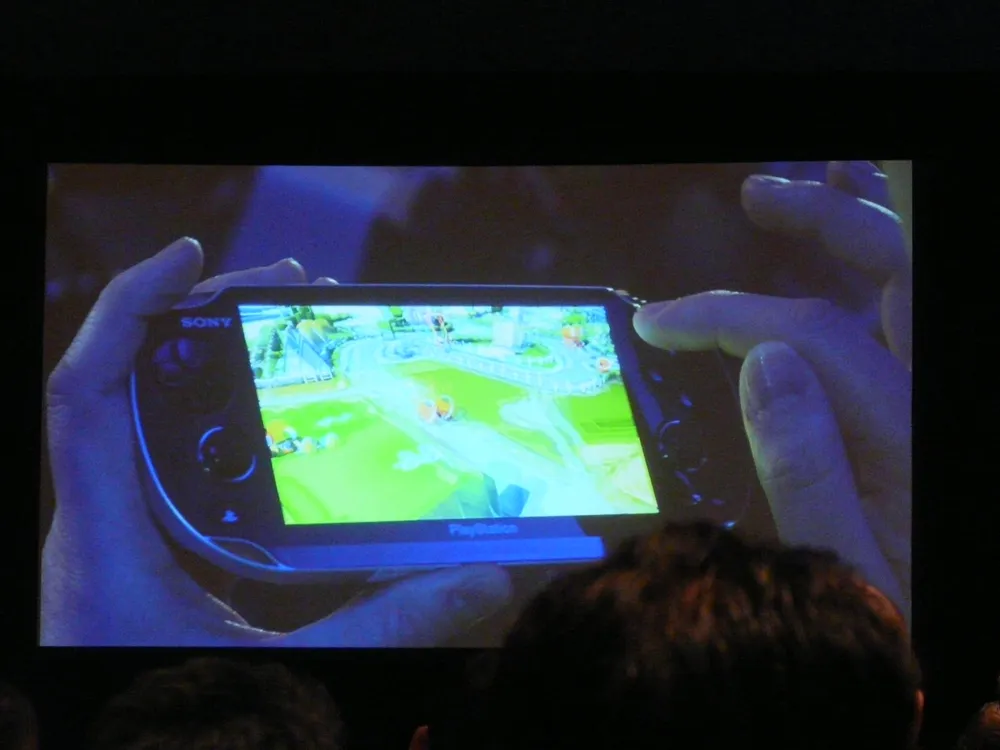
Next Justin Cook, Senior Designer at BigBig Studios, showcased a tech demo for Little Deviants (above), which is designed to take advantage of the twin input touch screens. Touching the back and front of the NGP manipulated the landscape by causing it to swell, causing a ball-like character to roll around the screen. Sony reinforced that the two multi-touch input screens, in addition to button presses, will allow for a combination of responsiveness that captures the best of both worlds.

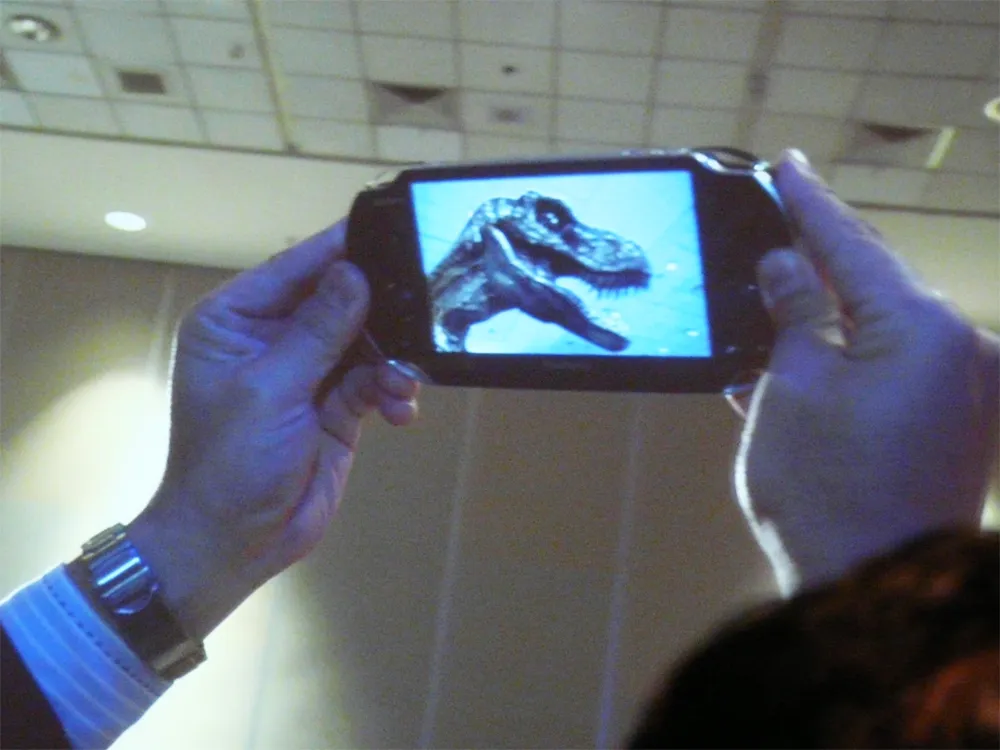
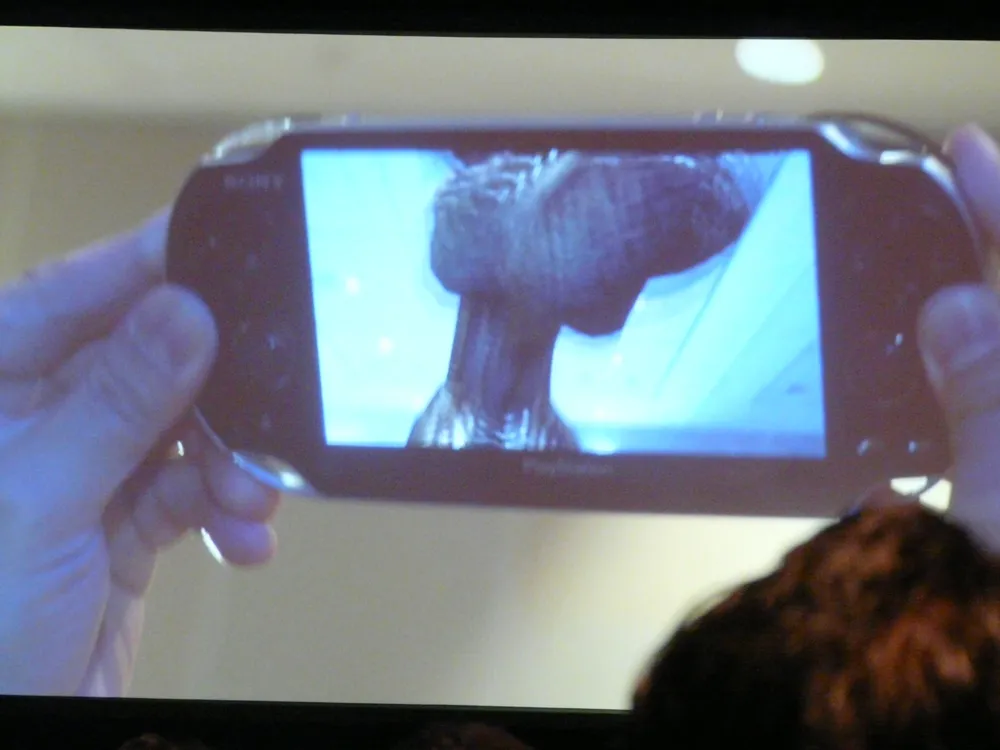
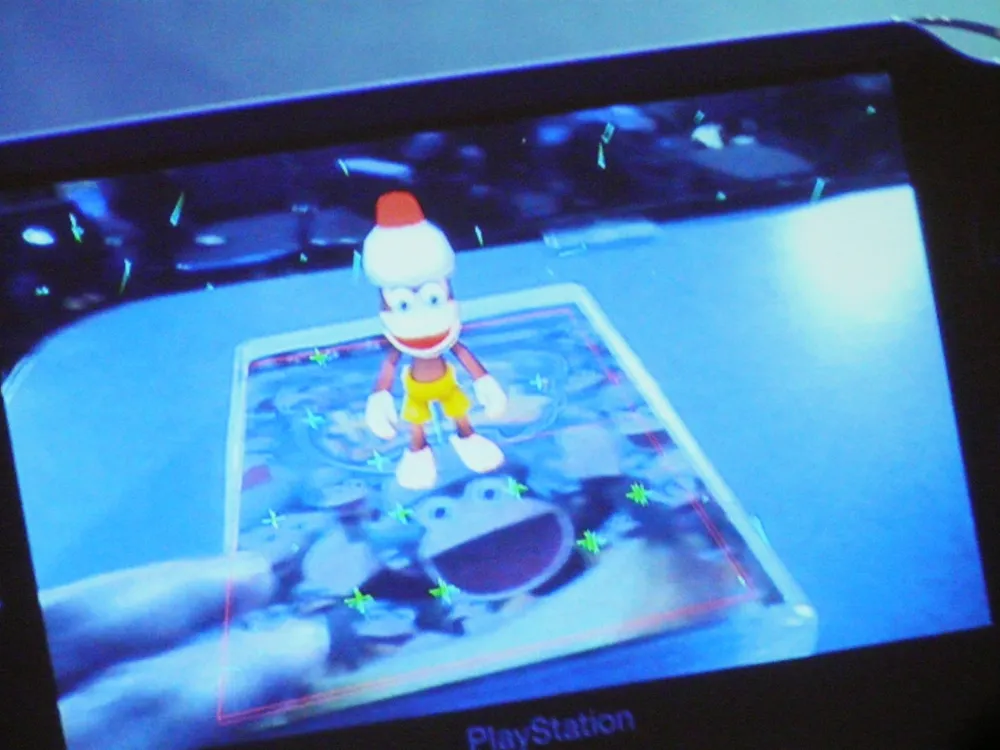
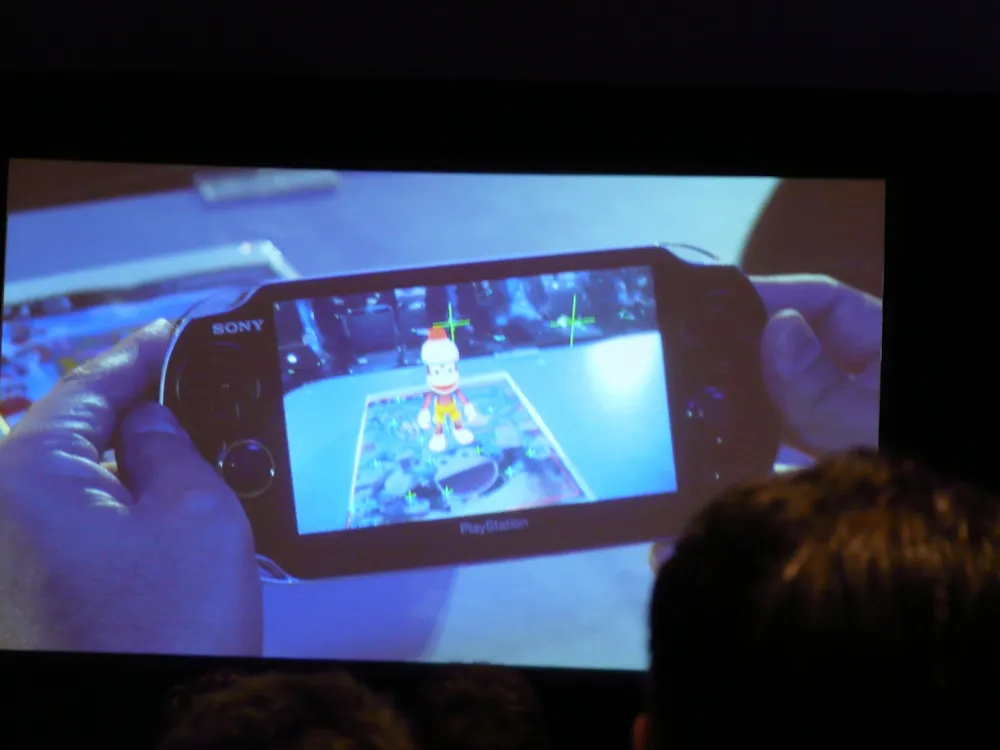
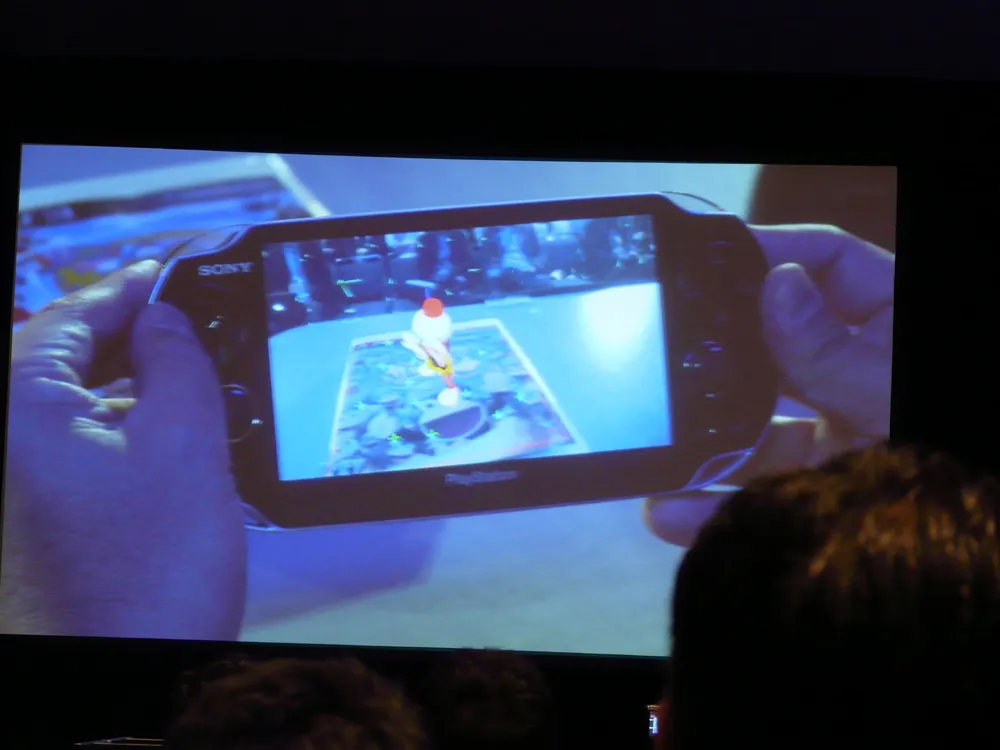
A pair of augmented reality demos were also shown, highlighting the dual 60 FPS/high-sensitivity cameras. The first demo summoned an ape to the cover of Ape Escape Move, making it dance along the flat surface – a fairly standard AR routine. The second demo was slightly more impressive, however, placing a massive T-Rex in an isle of the audience hall. Moving the NGP around the room revealed the creature bit-by-bit, panning up to a mouth full of teeth high above the floor.
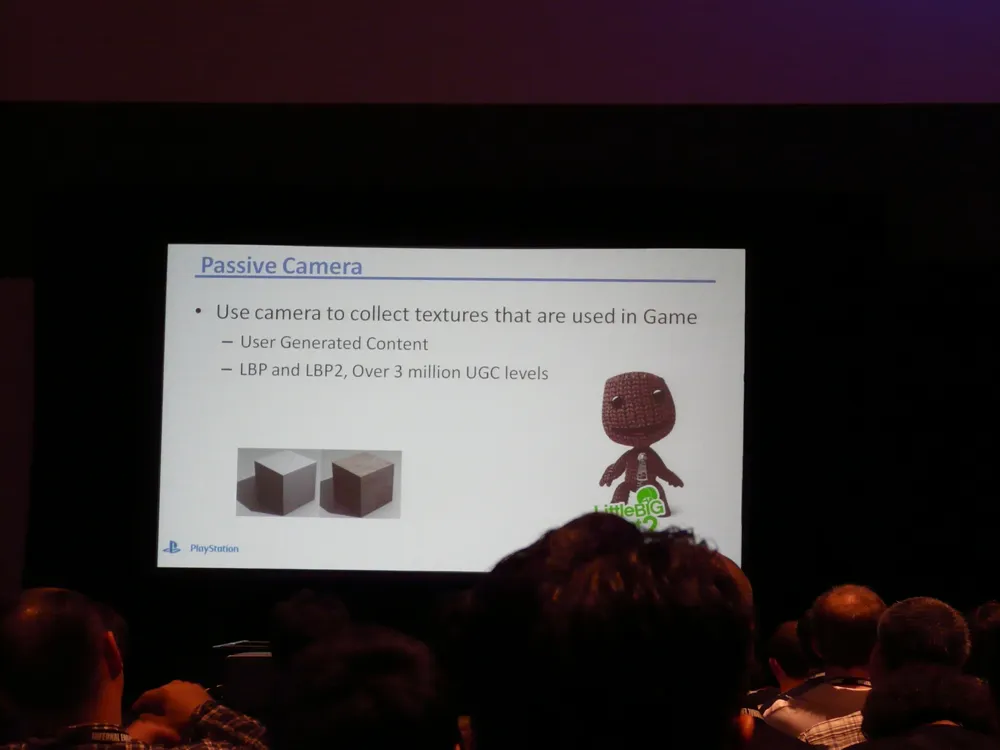
The AR experiences are considered “active camera” mechanics. Developers are being encouraged to take advantage of passive mechanics as well. Passive camera mechanics include taking photos of the player to map in the game, or as a damage indicator in a game’s UI similar to Doom. Another possible use would be for replay videos of the player, which could then be shared on social networking sites. The concept of collecting textures with the camera for use in user-generated content (think LittleBigPlanet), was also offered as a practical application. Although designing games to utilize the camera will result in some design limitations – such as requiring specific lighting for photos and smooth motion for head tracking – Sony expects these new functions will lead to exciting design possibilities.
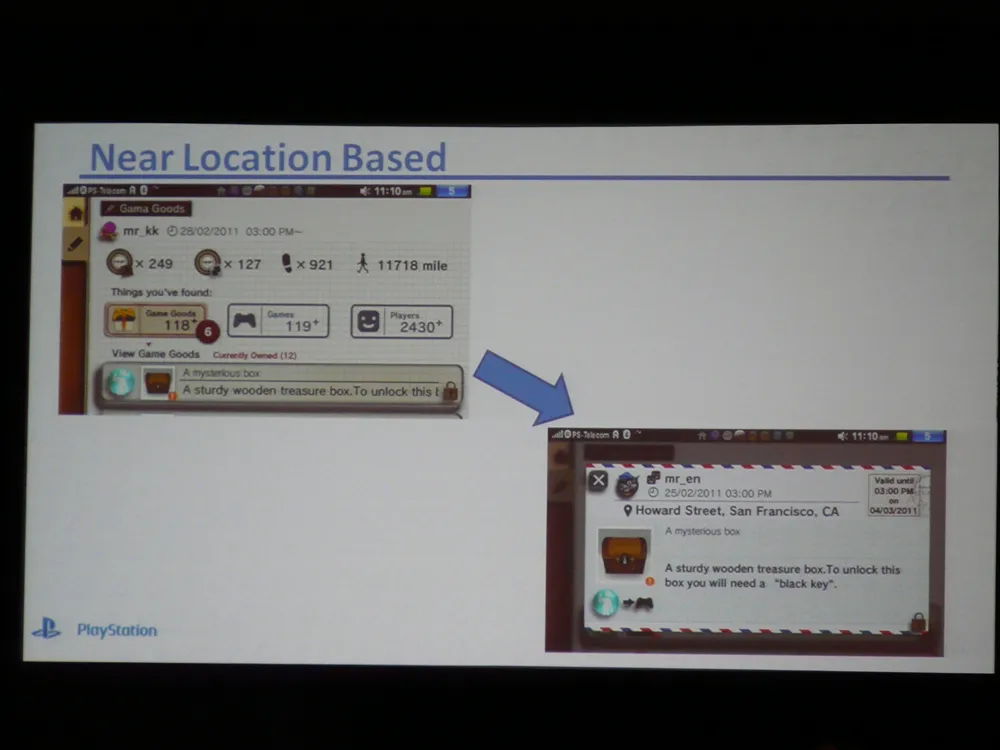
Sony also showcased an application called Near, which tracks personal information based on location. Near allows the user to pull up a map of their daily travels, check on who in the vicinity is playing the NGP, and view what games are popular in that particular area. The application even allows you to purchase said popular games on the spot. It seems Near is being positioned for item trading, too, similar to Nintendo’s 3DS Street Pass mode. Near was first announced alongside another GPS enabled software, LiveArea.
Check out our gallery of shots from the demo below.